Behind the Scenes: The Artist's Creative Process
- Peter Morris
- 7 days ago
- 4 min read

Art is not just about the final piece; it’s about the journey that leads to its creation. Every artist has a unique creative process that shapes their work, often filled with inspiration, experimentation, and sometimes frustration. Understanding this process can deepen our appreciation for art and the artists behind it. In this post, we will explore the various stages of an artist's creative journey, the challenges they face, and the techniques they employ to bring their visions to life.
The Spark of Inspiration
Every artwork begins with a spark of inspiration. This can come from various sources, including nature, personal experiences, or even dreams. For many artists, inspiration is not a constant presence; it can be fleeting and unpredictable.
Sources of Inspiration
Nature: Many artists find beauty in the natural world. The colors, shapes, and textures found outdoors can ignite creativity.
Personal Experiences: Life events, emotions, and relationships often serve as powerful motivators for artistic expression.
Art History: Previous works by other artists can inspire new ideas and techniques.
For example, Vincent van Gogh drew heavily from his surroundings, capturing the essence of the landscapes and people he encountered. His famous painting "Starry Night" was inspired by the view from his asylum room, showcasing how personal experiences can shape artistic vision.
The Ideation Phase
Once inspiration strikes, artists enter the ideation phase. This is where they brainstorm and develop their concepts. This phase can involve sketching, writing notes, or creating mood boards to visualize their ideas.
Techniques for Ideation
Sketching: Quick sketches can help artists explore different compositions and ideas without committing to a final piece.
Mood Boards: Collecting images, colors, and textures that resonate with the intended artwork can help clarify the vision.
Journaling: Writing down thoughts and feelings can provide insights into the themes and messages the artist wants to convey.
During this phase, artists may also face self-doubt and uncertainty. It’s common to question whether their ideas are strong enough or if they can execute them effectively.
The Experimentation Stage
With a clear concept in mind, artists move on to experimentation. This stage is crucial for discovering new techniques and refining their style. It often involves trial and error, as artists test different materials and methods.
Experimentation Techniques
Mixed Media: Combining various materials can lead to unexpected results and unique textures.
Color Theory: Exploring color combinations can significantly impact the mood and message of the artwork.
Different Mediums: Switching between painting, drawing, or digital art can help artists find the best way to express their ideas.
For instance, an artist might start with watercolors to create a soft background and then overlay it with acrylics for bold details. This blend of techniques can lead to innovative outcomes that surprise both the artist and the audience.
The Creation Process
Once the experimentation phase yields satisfactory results, artists begin the actual creation of their artwork. This is where their vision comes to life.
Steps in the Creation Process
Preparation: Setting up the workspace, gathering materials, and ensuring everything is ready for the creative flow.
Execution: This is the hands-on part where the artist applies their skills to create the artwork. It can be a meditative process, allowing the artist to lose themselves in their work.
Reflection: Taking breaks to step back and assess the progress can provide valuable insights and adjustments.
During this stage, artists often experience a range of emotions. The excitement of seeing their ideas take shape can be accompanied by frustration when things don’t go as planned.
Overcoming Challenges
The creative process is rarely smooth. Artists face various challenges, including creative blocks, self-doubt, and external pressures.
Common Challenges
Creative Blocks: These can stem from fear of failure or perfectionism. Finding ways to push through these blocks is essential for progress.
Self-Doubt: Many artists struggle with imposter syndrome, questioning their talent and worth.
External Criticism: Feedback from others can be both helpful and discouraging. Learning to navigate criticism is a vital skill for artists.
To overcome these challenges, artists often develop coping strategies. For example, some may take breaks to recharge, while others might seek feedback from trusted peers to gain perspective.
The Final Touches
As the artwork nears completion, artists enter the final touches phase. This is where they refine details, make adjustments, and prepare the piece for presentation.
Final Touches Techniques
Detail Work: Adding intricate details can elevate the artwork and enhance its overall impact.
Varnishing: For paintings, applying a protective layer can preserve the colors and finish.
Framing: Choosing the right frame can complement the artwork and enhance its presentation.
This phase is crucial as it can make or break the final piece. Artists often find themselves revisiting earlier stages to ensure everything aligns with their original vision.
Sharing the Artwork
Once the artwork is complete, the next step is sharing it with the world. This can be a daunting task, as artists often feel vulnerable exposing their creations to public scrutiny.
Ways to Share Art
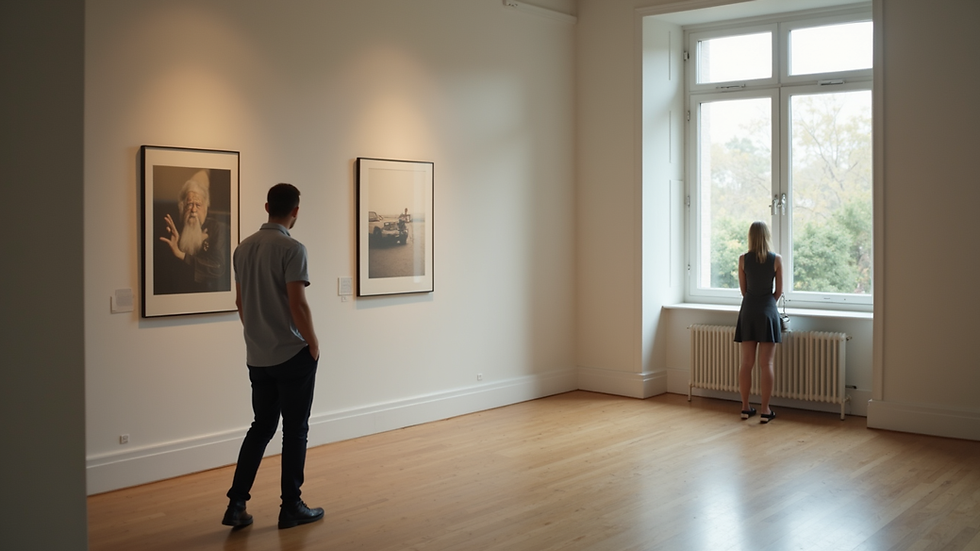
Exhibitions: Participating in local or national exhibitions can provide exposure and connect artists with audiences.
Online Platforms: Social media and art websites allow artists to showcase their work to a broader audience.
Art Communities: Joining local art groups can provide support and opportunities for collaboration.
Sharing art is not just about gaining recognition; it’s about connecting with others and sparking conversations.
The Continuous Journey
The creative process does not end with one artwork. For many artists, each piece leads to new ideas and explorations. This continuous journey is what keeps the artistic spirit alive.
Lifelong Learning
Artists often engage in lifelong learning to refine their skills and expand their horizons. This can include:
Workshops: Attending workshops can introduce new techniques and perspectives.
Art Classes: Formal education can provide structured learning and feedback.
Self-Study: Many artists dedicate time to studying art history and contemporary practices to stay inspired.
By embracing a mindset of growth, artists can continually evolve and push the boundaries of their creativity.
Conclusion
Understanding the artist's creative process reveals the dedication, passion, and resilience that goes into each piece of art. From the initial spark of inspiration to the final touches, every stage is essential in shaping the final work. As we appreciate art, let’s also celebrate the journey of the artists behind it. Whether you are an aspiring artist or an art lover, remember that creativity is a process filled with exploration and discovery. Embrace your journey, and let your creativity flow.

Comments