Exploring the Elegance of Minimalist Fine Art
- Peter Morris
- 7 days ago
- 4 min read

Minimalist fine art is more than just a style; it is a philosophy that embraces simplicity and clarity. In a world filled with noise and distractions, minimalist art offers a refreshing perspective, inviting viewers to engage with the essence of the subject matter. This blog post delves into the elegance of minimalist fine art, exploring its history, key characteristics, and the impact it has on both artists and audiences.
The Origins of Minimalism
Minimalism emerged as a reaction against the complexities of abstract expressionism in the late 1950s and early 1960s. Artists sought to strip away the excess and focus on the fundamental aspects of art. This movement was not limited to visual arts; it influenced music, architecture, and design as well.
Key Influences
Abstract Expressionism: Artists like Jackson Pollock and Mark Rothko emphasized emotional expression through chaotic forms and vibrant colors. Minimalism sought to counter this by promoting simplicity.
Modernism: The principles of modernism, which emphasized function and simplicity, laid the groundwork for minimalist aesthetics.
Eastern Philosophy: Concepts from Zen Buddhism and Taoism, which value simplicity and the beauty of nature, significantly influenced minimalist artists.
Characteristics of Minimalist Fine Art
Minimalist fine art is defined by several key characteristics that set it apart from other art movements. Understanding these traits can enhance your appreciation of minimalist works.
Simplicity
At its core, minimalist art is about reducing elements to their most basic forms. This simplicity allows the viewer to focus on the essential qualities of the artwork.
Limited Color Palette
Minimalist artists often use a restricted color palette, favoring monochromatic schemes or subtle variations of a single color. This choice enhances the sense of calm and clarity in the artwork.
Geometric Shapes
Many minimalist pieces feature geometric shapes and clean lines. These forms create a sense of order and balance, drawing the viewer's eye to the composition's structure.
Negative Space
Negative space, or the area around and between the subjects of an image, plays a crucial role in minimalist art. It emphasizes the relationship between the subject and its surroundings, inviting contemplation.
Focus on Materiality
Minimalist artists often highlight the materials used in their work, whether it's canvas, metal, or wood. This focus on materiality can create a tactile experience for the viewer.
Notable Minimalist Artists
Several artists have made significant contributions to the minimalist movement, each bringing their unique perspective and style.
Donald Judd
Donald Judd is known for his geometric sculptures and installations. His work often features simple forms made from industrial materials, emphasizing the relationship between the artwork and its environment.
Agnes Martin
Agnes Martin's paintings are characterized by subtle lines and soft colors. Her work reflects a meditative quality, inviting viewers to experience a sense of tranquility.
Dan Flavin
Dan Flavin is famous for his use of fluorescent light in his installations. By using light as a medium, he transformed spaces and created immersive experiences that challenge traditional notions of art.
The Impact of Minimalist Fine Art
Minimalist fine art has had a profound impact on contemporary art and culture. Its influence can be seen in various fields, from design to architecture.
In Contemporary Art
Many contemporary artists continue to draw inspiration from minimalist principles. The focus on simplicity and clarity resonates with modern audiences seeking authenticity in art.
In Design
Minimalism has become a dominant trend in design, particularly in graphic design and interior spaces. Clean lines, open spaces, and a limited color palette are hallmarks of minimalist design, creating environments that promote peace and focus.
In Everyday Life
The minimalist philosophy extends beyond art and design into lifestyle choices. Many people embrace minimalism as a way to declutter their lives, focusing on what truly matters and eliminating distractions.
Engaging with Minimalist Fine Art
Experiencing minimalist fine art can be a transformative journey. Here are some tips for engaging with this unique style:
Visit Minimalist Exhibitions
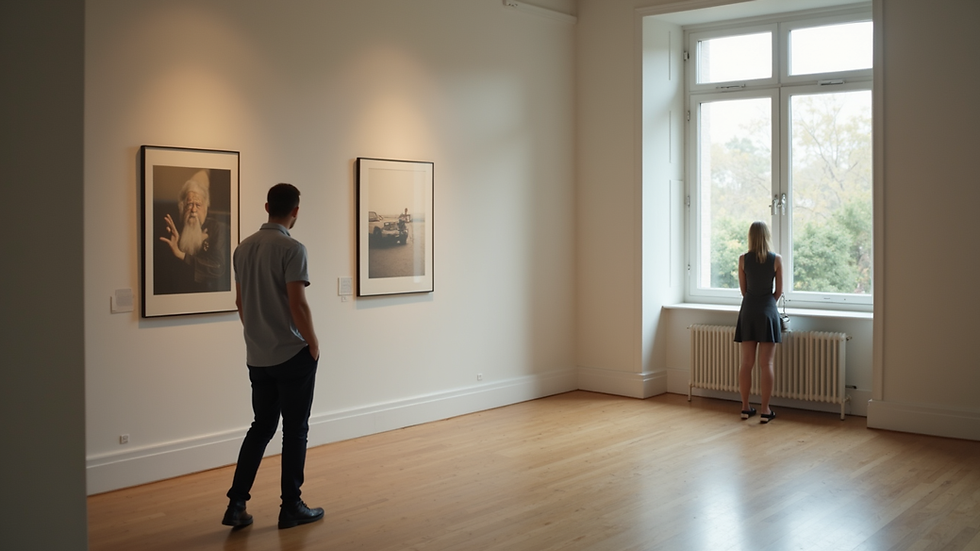
Seek out galleries and museums that feature minimalist exhibitions. Observing the artwork in person allows for a deeper understanding of the artist's intent and the work's impact.
Reflect on Your Experience
Take time to reflect on your feelings and thoughts while viewing minimalist art. What emotions does it evoke? How does it change your perception of space and form?
Create Your Own Minimalist Art
Experiment with creating your own minimalist art. Focus on simplicity, using limited colors and shapes. This practice can help you appreciate the thought and intention behind minimalist works.

Conclusion
Minimalist fine art invites us to slow down and appreciate the beauty of simplicity. By stripping away the unnecessary, it allows us to focus on the essence of the subject matter and engage with art on a deeper level. As we navigate a world filled with distractions, the elegance of minimalist art serves as a reminder of the power of clarity and intention. Whether you are an artist, a collector, or simply an admirer, embracing minimalist fine art can enrich your understanding of creativity and inspire a more mindful approach to life.
As you explore this captivating art form, consider how its principles can influence your own artistic endeavors or even your daily life. The journey into minimalism is not just about art; it is about finding beauty in simplicity and clarity.
Comments